जब दोस्त छूट जाते हैं

दुःख होता है

जब दोस्त छूट जाते हैं,

वो यादें, वो साथ बांटे लम्हे

कहीं दूर छिटक कर पीछे छूट जाते हैं,

दुःख होता है जब दोस्त छूट जाते हैं।

रह जाती है मन में एक कसक,

कुछ सवाल बिना पूछे,

कुछ जवाब बिना दिए,

आधी अधूरी बातेँ लिए,

वो सारी हंसी,

वो चाय के प्याले

बिना पिए

यूँ ही खाली छूट जाते हैं,

दुःख होता है जब दोस्त छूट जाते हैं।

दिखाते हैं ख़ुद को,

कि क्या फर्क़ पड़ता है,

दोस्त तो और भी आ ही जायेंगे,

जिंदगी तो चलती ही रहेगी,

मजबूत बनना है मुझे,

इन्हीं सब गलतफहमियों में

ख़ुद को बहलाने वाले ख्यालों के

ये नरम बुलबुले फूट जाते हैं,

दुःख होता है जब दोस्त छूट जाते हैं।

दिन कटने होते जाते हैं दुश्वार,

सुबहें होती जाती हैं भारी,

शामों को जाम के वो प्याले

उन ठहाकों और बेतुके लाइनों के इन्तिज़ार में, ,

उन शीशे की अलमारियों में,

अंधेरी गली जैसे,

कहीं कोने में धूल खाते छूट जाते हैं,

दुःख होता है बहुत

जब दोस्त छूट जाते हैं,

दुःख होता है बहुत

जब दोस्त छूट जाते हैं।

तू चला गया

तू बात अधूरी छोड़कर
बीच में ही चला गया।

कुछ गीत जैसे रह ही गए,
कुछ बातेँ जैसे अधूरी सी छूट गईं,
वो हंसना जैसे बीच में रह गया,
तू बीच में उठकर जो चला गया।

जिंदगी तो चलती रही,
दिन भी कटते रहे,
पर अनकहा रह गया
वो एक किस्सा,
तू बीच में ही उठकर जो चला गया।

वो चाय का प्याला
और वो चार बिस्किट
जो करते थें इंतज़ार की
कब वो छू लें हमारे होठों को,
महसूस कर लें वो गर्म सांसें
अब बस ख़ाली और बेजान हैं
तू बीच में उठकर जो चला गया।

मैं भी चल ही लूँगी,
बढ़ जाएगा तू भी आगे जीवन में,
पर क्या होगा उसे साझे सपने का,
जो बुना था हमने मिलकर
तू ऐसे बीच में उठकर जो चला गया।

क्या होगी वो चाँदनी
जो हमें देखकर मुस्कुराती थी,
क्या होगी वो धूप
जो जैसे हमीं से चमकती थी,
तू बीच में उठकर जो चला गया।

वो फूल जो मुस्कुराता था हमें देख,
हर दिन की वो सुबह
जो खिल जाया करती थी,

ये सब बस करते रहेंगे इंतजार,
ख़ाली आँखों और अधूरे होठों से
तू ये सब छोड़,
कभी न लौटकर आने ले लिए

बीच में उठकर जो चला गया
तू जो चला गया।

पहरा

ये नया मुल्क है मेरा,
जिसमें पहरे पर भी पहरा है।

बोलने पर तो पहरे
लगते थे पहले भी,
अब तो जैसे साँसों पर भी पहरा है.

मोहब्बत पर तो पाबंदियां थीं ही,
अब तो दोस्तियों पर भी पहरा है.

नया लोकतंत्र है ये मेरा
जिसमें
पार्टियों पर कम,
वोटर पर ज्यादा पहरा है.

हर सड़क पर लटका-अटका सी सी टी वी,
झाँक रहा हो जैसे मेरे अन्दर,
क्या खाया क्या पिया,
मेरी आतंङियों पर भी पहरा है.

अगर मैं चढ़ता घोड़ी तो
ढूंढ रहें लठैत खोजते
हर एक जात मजहब वाले को की,
उसके सिर पर टोपी है या सेहरा है.

लिखने से डर लगता है,
कलम और शब्द को छोड़ो,
अब तो लगता है जैसे
कागज पर ही पहरा है.

इस नए मुल्क का क्या कहूँ
जहां पढा लिखा ही
अक्ल का अंधा भी है
और बहरा है,

ये नयी दुनिया है यारो
जिसमें ख़ूब है फोन पर आजादी,
बस हम सब के अस्तित्व पर
आधार का ही पहरा है.

ये नया मुल्क है मेरा
जहाँ हर कोई है पहरेदार
और पहरे पर भी पहरा है.

अजनबी दोस्त

वो करीब चला आया था,
कहकर की वो दोस्त था,

समा सा गया था दिल में
कहकर की वो तो हमसफर था.

मैं भी चल निकली
मान कर की वो हमराह था.

सीख ही रही थी अभी
धीरे धीरे चलना
उन राहों पर
जिनका ख्वाब हम मिलकर देख रहे थे,

थोड़ी दूर ही चले थे अभी
कि आयी धूल भारी आँधी,
सब कुछ हो गया ओझल सा जैसे,

जब थोड़ी धूल छंटी तो देखा,
वो चला जा रहा था कहीं दूर,

मैं चिल्लाई, पुकारा उसे
रोकना भी चाहा उसे,

वो जाते जाते दूर से ही बोला-
तुमने पहचाना नहीं मुझे,
मैं तो हूँ एक रास्ता,
वो तो बस निकल जाता है आगे
चला जाता है कहीं और

जो नहीं ठहरता किसी एक के साथ ,
जो नहीं होता किसी एक का दोस्त,

और मैं खड़ी रहीं स्तब्ध,
देखती रहीं
उस अजनबी हमसफर, हमकदम, हमराज़ को,

जो चला जा रहा था
अपनी ही धुन में
रास्ता बनकर
होते हुए ओझल.

जो लेकर जा रहा था
मेरे सपने
उस दूर उठती धूल में

और कह रहा था अब भी
घबराना मत
हूँ मैं तुम्हारा दोस्त और हमसफ़र ।

आशा का कवि

मैं आशा का कवि हूँ ,
अगर मैं कवि हूँ तो

बसता है जिसमें उल्लास
सपने देखने का, और
उत्साह कुछ कर गुज़रने का

मैं हूँ वो कवि,
अगर कवि हूँ तो ,
जो बुनता है सपने
एक बेहतर दुनिया के

सपने, उम्मीदों और मौजों के
जो नहीं होते निराश,
नहीं मानते हार
चट्टानों से टकराकर भी

ग़र फैली हो निराशा चारों और
तब भी ढूंढ लें चमक
एक छुपी हुयी कामयाबी की

अगर मैं कवि हूँ
तो कवि हूँ
एक सुन्दर दुनिया का
जिसमें ढूंढ लेता हूँ
विवेक, तर्क और संवेदना ,
धार्मिक पागलपन और
राजनीतिक असहिष्णुता के बीच

युद्ध, विनाश और नफरतों के बीच
खोद लेता हूँ प्यार की एक सुरंग

अगर मैं कवि हूँ, तो
हूँ मैं आशा का ही कवि।

देसी प्यार

अद्भुत था वो देसी प्यार
नदी के किनारे प्रस्फुटित होता

हाथों में हाथ डालकर घूमते
गोद में सर रखकर लेटे,
या फिर नाव में बैठकर बतियाते
इन सभी जोड़ों का प्यार

न फ़ोन था और न रील ही थी
इनके और प्यार की भावनाओं
और संवेदनाओं के बीच

शायद नदी ने लील लिया था
वो आस पास का झंझट,
समाहित कर लिया था
उसने अपने भीतर
उन सारी पाबंदियों को
जो लगाई थीं इस ईर्ष्यालु समाज ने
ऐसे बेपरवाह प्यार पर

बच गया था इस खूबसूरत शाम में
बस उनके बीच का अनंत प्यार

विलीन हो जातीं इक दूजे में
ये दोनों नदियां
कल कल बहती
और छम -छम बहती
इस ठंडी हवा का अनंत विस्तार

यही तो था आधुनिक समय का
ख़ालिस देसी प्यार

गौरैया दिवस ।

एक गौरैया थी , भूरी चंचल
जो पेड़ पर रहती थी
एक इंसान था
जो धरती पर रहता था .


रहते थे चारों
धरती, पेड़, इंसान और गौरैया
इक संग.


समय बदला,  रुत बदली
गौरैया और पेड़ धरती संग रहते रहे.


इंसान उड़ निकला बिन पंख
ले सपनों की उड़ान
जा पहुंचा चंद्रमा पर.


वहाँ सम्पत्ति तो थी
थी जगह सपनों की उड़ान की.


पर नहीं था पेड़
नहीं थी गौरैया.


इंसान के ऊंचे सपनो ने बनाया
कुछ और नया और अनूठा ,
बिना गौरैया के उसकी याद में
गौरैया दिवस ।

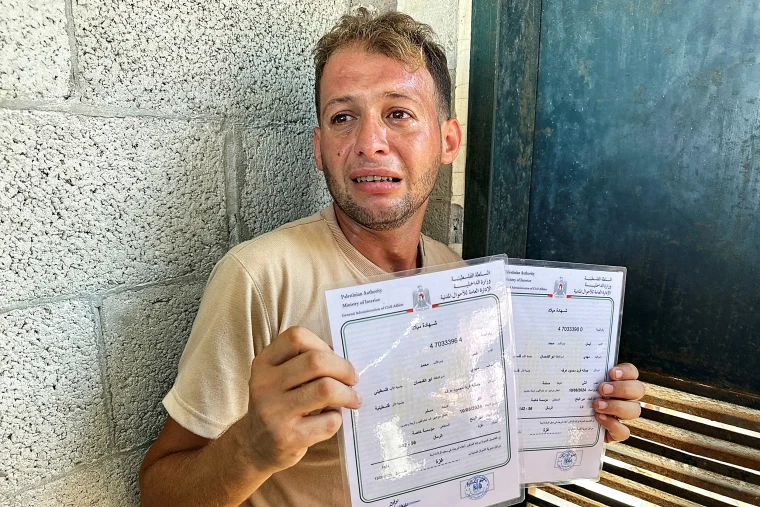
नई मुर्दा पीढ़ी

कैसा होगा उस पिता का दर्द
कैसी होगी बेकसी।
सिना फट ही गया होगा दर्द से
कराह उठी होगी पूरी क़ायनात।

और वो माँ !
जिसने जन्म दिया उन दोंनो को।
युद्ध की विभीषिका के बीच ,
बचाये रखी अपनी कोख़

शायद कहीं होगी छुपी
उम्मीद की एक किरण,
जब तक ये दोनों पैदा होंगी
ख़त्म हो चुकी हो ये जंग ।

ये दोनों नन्ही जान
देख पाएं शायद एक नयी सुबह,
अमन शायद पनप पाए तब तक
नया सूरज उग पाए तब तक।

दोनों ने मिलकर सोचे होंगे उनके नाम,
सोचा होगा लड़की होगी तो क्या ,
लड़का होगा तो कौनसा नाम।,
तभी तो बनते हैं जन्म प्रमाण पत्र।

किसे पता था की तब तक
लील चुकी होगी धरती ,
जंग खा चुकी होगी वो जान,
जन्म प्रमाण पत्र बन चूका होगा
मौत का फरमान।

और दफन हो गयी होंगी
उम्मीदों की वो दास्तान,
बची होंगी तो बस ,
गोलियों की आवाज़ें
बमों का शोर

इस शोर में दब चुकी होंगी
उन मां बाप की चीखें ,
किलकारियां तब्दील हो चुकी होंगी
कराहटों में।

मानवता को दफना दिया गया होगा
किसी मज़बूत ताबूत में,
कहीं उठकर फिर न खड़ी हो जाये

और जगा दे सपना

नयी जिन्दा पीढ़ी को जन्म देने का ।

Image courtsey:https://www.nbcnews.com/news/world/newborn-twins-gaza-killed-israel-father-birth-certificate-rcna166514

LOOKING FOR ALTERNATIVE METHODS OF DATA COLLECTION

Sudhir Kumar Suthar

The quality of data and its ability to explain various indicators has been a debatable issue in developmental discourse for ages. Along with the Census data, the only other method used has been the survey data for this purpose. Shamika Ravi (IE July 07, 2023, and July 13, 2023) has highlighted some of the problems with the survey data and these criticisms have also been accepted by the other experts despite their reservations about specific examples (Sen IE July 10, 2023, Mohanan and Kundu July 12, 2023). There seems to be an agreement with the larger questions she raised with regard to problems associated with the methodology part.

A major reason behind this agreement on problems with survey data is the inherent structural issues with surveys as a method of data collection. Most of the time, economists and statisticians look up to refined techniques or methods of sampling as a solution to the problems of surveys. Nevertheless, it is time to look beyond the traditional forms of data collection and consider alternative methods to understand the quality, availability, and accessibility of various services or government programs and schemes, the purpose for which surveys like NSSO, NFHS, PLFS, or other surveys are used generally. 

Although for macro-level data collection relevance of survey data cannot be denied but there are other ways of collecting data for specific purposes. In social science research, there is already a larger consensus in favor of a multimethod approach to research and data collection instead of relying on any one method. Having multiple methods help cross-check the validity of a specific kind of data. Besides, it also provides scope for incorporating responses that otherwise may not be possible to record through a survey method. However, government agencies are still working with the traditional methodology due to its specific requirement of household-level macro data sets.

All three writings on the issue agree with the problem of higher non-response rates. Higher non-response rates are also correlated with the level of wealth in a society. However, there are other factors as well. For instance, a survey also includes a very monotonous and time taking process of filling out a long questionnaire. A survey requires a respondent to take out at least ten to fifteen minutes and respond. In the case of urban areas, it is really difficult to conduct a survey and ask people to spare time, settle and respond. Besides, the survey questionnaire requires a certain kind of sensibility and above all interest in data collection.

The Centre for Political Studies has been organizing such opinion surveys for the last twenty years. The students do complain about the apathy and disinterested attitudes of people in Delhi’s posh colonies or multistory apartments. In such a situation, we encourage them to think of alternative ways of collecting the data. In some cases, it did work and students were able to come up with very useful conclusions paving the way for long-term research and analysis.

As Pronab Sen highlighted that the data collection also depends upon its usage. Different surveys in India are conducted periodically to understand people’s access to various services, availability of facilities, consumption behavior, and so on. For the specific purpose of measuring various government programs/schemes or services, two more methods of data collection can be considered. One is the consumer, user satisfaction survey and, second is the collection of various case studies, narratives, and interviews. Both these methods are less time taking and can be used for having a more interactive discussion with the respondents. This may help minimize the problem of low response rates, especially in the case of cities. Both these methods can be substantiated with two examples.

The first method is widely used by market entities. When we use a banking service, or purchase a product, we are asked to fill up a survey or respond to few questions. Such surveys do help in understanding the nature of services and how people are responding to it. Usage of such methods can be extremely useful in measuring the everyday efficiency of various services. Similar methods can be used to measure efficiency of various offices, government departments etc. in case of institutional evaluation (e.g. NAAC evaluation or universities) such methods are already being tested. A more organized and institutionalized way of collecting such data can be further useful for improving government services and programs.

The second method of narratives or case studies can also be useful in this regard. Though it may not be very useful for the purpose of macro-level data, it can still be used for verification of macro-level data. Take for example the debate on Agricultural Producers Marketing Committees or what is popularly known as mandi’s in India. When the debate was around the abolition of APMCs and their economic relevance, there were other qualitative narrative-based studies (like Mekhala Krishnamurthy’s work) that highlighted how mandi’s transformed farmers’ lives in qualitative ways. Besides, during the 11th and 12th five-year plan the erstwhile planning commission had started using various case studies related to successful examples of governance systems in various states of India.

Regular collection of such case studies and narratives may help the policy makers in identifying prevailing gaps or emerging strong points in the implementation of a policy or how users are utilizing a particular public office or space. Such methods also help understand a more nuanced way of functioning of various schemes. The problem of limited number of variables in traditional survey method can be minimized with the help of more qualitative data collection methods like interviews. For the purpose of government agencies, the interviews can be more structured while focusing on measurable outcomes instead of being open ended.

AI based data collection, usage of geo spatial data and analyzing narratives with the help of various modern software are also some of the ways in which India can think of improving its data collection system. Above all, there is a need to have more sensible and user-friendly process of data collection instead of looking it as a technical process merely. India is still using methodology that was introduced in the previous century. Using older indicators and methods is also necessary to ensure continuity of periodic data. However, requirements of a new society and economy also demands upgradation of methods, techniques and analysis.

CALL FOR PAPERS

INTERNATIONAL CONFERENCE ORGANIZED BY CENTRE FOR POLITICAL STUDIES SUPPORTED BY ICSSR UNDER AZADI KA AMRIT MAHOTSAVA

GLOBALIZATION AND FUTURE OF RURAL-AGRARIAN IN 21ST CENTURY INDIA:

CHALLENGES, LESSONS AND OPPORTUNITIES

23-24 February 2023

Uplifting rural areas by bringing people above the poverty line, ensuring their developmental conditions, and providing basic facilities that are needed for a healthy nation has been one of the priority areas of independent Indian state. India has made remarkable progress in this direction. Rural poverty levels have declined significantly in the past seven and half-decades as highlighted in the recently published UNDP report on Multidimensional poverty index. The report highlights that around 415 million people have been lifted above the poverty line in India. However, the levels of rural poverty continue to remain high. Challenges of providing nutritional security to women and children in Rural India continues to remain a major policy challenge. Besides, these challenges are more daunting in case of states like Bihar, Uttar Pradesh, Odisha, Madhya Pradesh and Rajasthan.

Though economically, rural areas have emerged as hub of newer business and economic activities. Rural areas are not only contributing to the agriculture and allied activities but also to newer informal sector business. Increasing transportation facilities and information and communication technology has facilitated rural-urban economic linkages. Rural continues to remain home of more than half of India’s population by agriculture providing employment to more than 50 % population. Globalization, be it economic or cultural have transformed the rural-agrarian society of India in many fundamental ways. The increasing interaction between rural-urban or rural-small towns are one of the strongest connectors of this process. With increasing mobility between the rural and other spatial territorial entities the agrarian sector or other kinds of entrepreneurial activities in the rural has witnessed a qualitative shift. It has not only opened up newer business opportunities for the rural populations but have also exposed them to a new consumerist culture. The traditional occupational boundaries of rural are breaking away pawing way for newer income options. Increasing access to information and communication technology has also added to this process of change. Rural society and economy are no more excluded, secluded or alienated territorial space as it used to be considered few decades ago.

However, these business opportunities and agricultural integration with market has also produced newer forms of social as well as economic inequalities. This euphoria of interconnectedness between rural and urban is not a complete story. The new opportunities are not meant for all in equal terms in the rural society. Two major determinants of the success are: first access to seed capital and two required level of education. For most of the communities in rural India both these conditions are the biggest challenges. They are more than the concern for poverty. The traditional social structure doesn’t allow people to explore newer business opportunity. On the contrary, lack of education makes them more vulnerable to fraud and cheating which are additional effects of globalization.

Agriculture being the largest employment provider sector has witnessed a massive transformation as a result of globalization of the sector. Farmers are in a position to sell their products in open market more. Besides, the increasing reach of information world has made farmers more informed about the commodities which are in demand, or the price variations and so on. This has also created a new group of farmers who are willing to take risk and invest. However, in this new discussion on open agriculture the marginalized communities like landless cultivators, or landless laborers are not talked about.

Agriculture and its economy centric discourse has put other critical questions like caste and gender at margins in discussions on the rural and agrarian India. The prevailing inequalities in agriculture and allied sectors make women, children and lower caste groups most vulnerable. In drought prone areas like Bundelkhand, Vidarbha, parts of western Rajasthan, Odisha, etc are suffering from dual underdevelopment: a human made problem of climate change and policy negligence of marginalized sections. (Suthar 2018, 2022). It shrinks their opportunities to move out of traditional sector on the one hand but also brings them closer to the new vulnerabilities (liked women trafficking, child trafficking).

Studies also show how the declining possibilities of a quality life in rural India (defined in terms of availability of quality health services, education facilities, drinking water, transportation, employment opportunities, and modes of entertainment), it is adversely impacting the rural youth. Increasing number of suicides, cases of drug addiction, communal violence or caste violence are some of the indicators of increasing mental stress levels in rural India.

Changing nature of agriculture as per the requirements of the global market has also brought in serious environmental complications. The changing climatic conditions is posing newer challenges before India’s farming communities. The communities living in the coastal regions face different kinds of climate issues which we may not even be aware of.

The government of India has launched multiple schemes to ensure overall development of the rural India. Recent focus on Mission Antyodya is a remarkable step to ensure convergence. Besides, there is a special focus on promoting Natural farming, zero budget farming and above all rainfed agriculture. Recent focus on Farmer Producer organization and Cooperatives are two major steps of the current government for the upliftment of farmers. Such collectives can play a crucial role in giving new dimensions to the policy of rural development.

We encourage the young researchers to submit proposals based upon their ongoing research related to any of the fields mentioned below. The abstract should not be more than 300 words. Abstract should highlight the theme, core argument and methodology of the study. The abstracts will be reviewed by a committee and selected researchers would be required to submit a write up of minimum 1000 words before the conference. Full papers would be considered for a special issue of any prestigious journal. We are in touch with few journals for special issue publication based on the papers presented in the conference.

There will be seven sub-themes around which seminar will be organized:

  1. Rural-Agrarian India: Questions of Food, livelihood and Employment
  2. Changing rural society and rise of aspirational youth
  3. Farmer distress, agrarian crisis and challenges
  4. Climate change, sustainable agriculture and rural India
  5. Issues of economic development, sustainability and supply chain
  6. Technology, science and rural society
  7. Integrating rural with local and global: strengthening FPOs, Cooperatives and Foreign Trade issues
  8. Globalization, rural-agrarian society and policy interventions: Some Global Lessons
  9. Politics, policy and farmer mobilization

For submission of abstract click on the link given below

CLICK HERE FOR ABSTRACT SUBMISSION

The last date for abstract submission is January 30, 2023. Selected participants will be notified in the first week of February. There is no registration fee for the conference. Participants are expected to make their own travel and stay arrangements. In case you have any queries, write an email on sksuthar@jnu.ac.in

You can know about JNU Campus by clicking on www.jnu.ac.in